About Sinovenator fossils
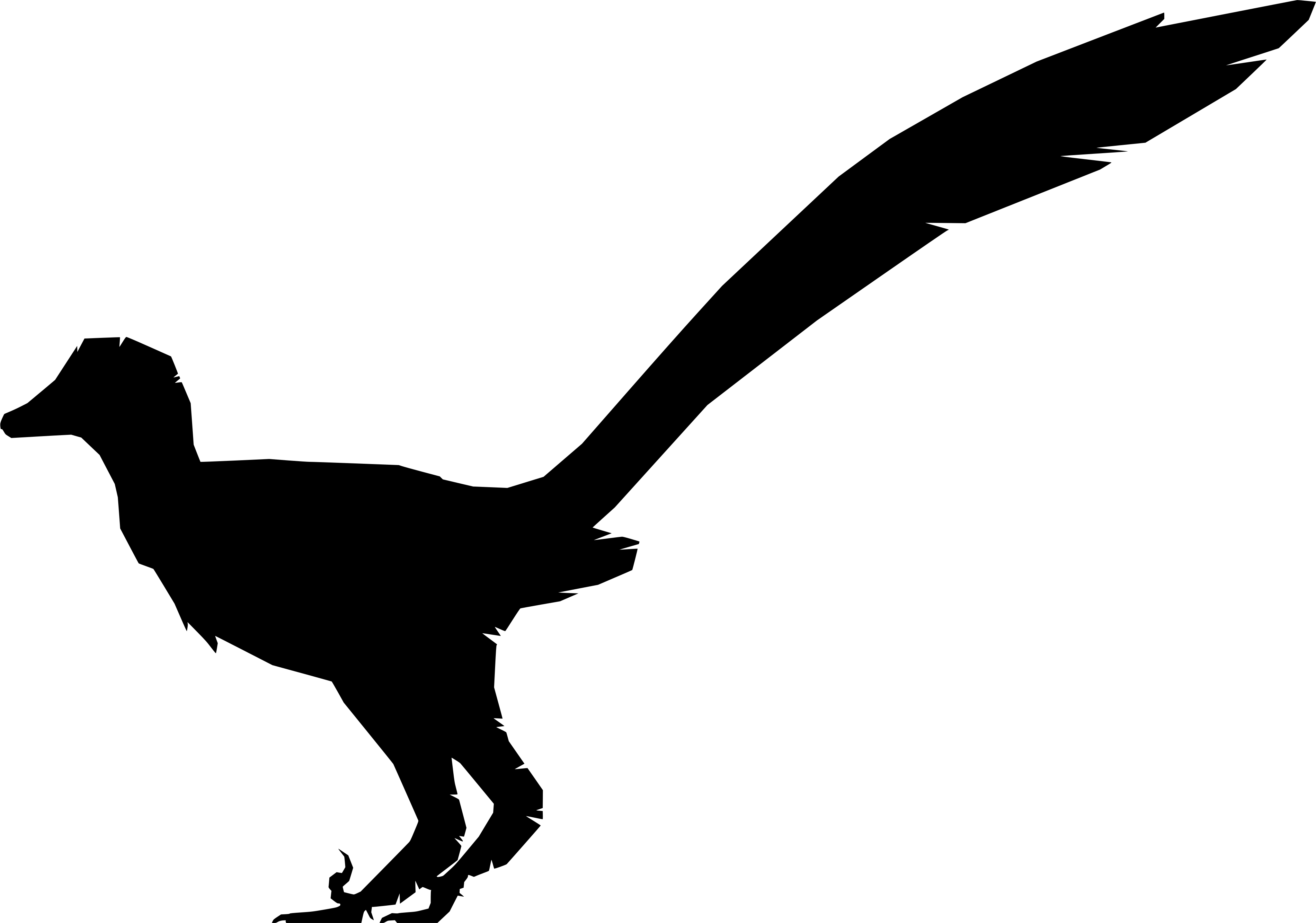
Sinovenator is a genus of theropods, the mostly meat-eating group. The database records one species of it: Sinovenator changii.
All 4 finds on the map are in China.
The rock formation with the most finds is called Yixian, with 4. The rocks are 125.8 to 119.6 million years ago, in the Cretaceous period.
Genus of reptiles (fossil). (Description from Wikidata, CC0.)
Read about Sinovenator on Wikipedia.
- 4finds
- 1country
- 125.8oldest, million years ago
- 119.6youngest, million years ago
Which countries have Sinovenator fossils?
| Country | Finds | Share |
|---|---|---|
| China | 4 | 100% |
Rock formations that produced Sinovenator
A formation is a named body of rock. These are the ones with the most Sinovenator finds.
| Formation | Finds |
|---|---|
| Yixian | 4 |
Other dinosaurs found in China
- Iguanodon (132)
- Troodon (103)
- Stegosaurus (86)
- Psittacosaurus (70)
- Megalosaurus (60)
- Tarbosaurus (56)
- Protoceratops (38)
- Lufengosaurus (28)
- Torvosaurus (28)
- Mamenchisaurus (24)
More to explore
Dinosaur books and fossil kits
Some links on this page are affiliate links. If you buy through them we may earn a small commission, at no extra cost to you. As an Amazon Associate we earn from qualifying purchases.
Before you go fossil hunting. A dot shows where a find was recorded, not where you may dig. Many fossil sites are on private or protected land and collecting rules differ by country. Check the rules before collecting and never dig on protected sites.
Questions about Sinovenator
Where was Sinovenator found?
Sinovenator fossils are recorded in the Paleobiology Database from China. The rock formation with the most finds is the Yixian (4).
How old are Sinovenator fossils?
Finds of Sinovenator on this map date from 125.8 to 119.6 million years ago, which is the Cretaceous period. Ages are ranges, because rock layers are dated to a stage and not to a single year.
Where can I see Sinovenator fossils near me?
Open the map and press Near me to list the nearest dinosaur finds and the most notable dinosaurs found around you. Remember that a dot shows where scientists recorded a find, not where you can dig: many fossil sites are on private or protected land, so check the rules before collecting and never dig on protected sites.